Thursday, July 21, 2011

The Arts and "Reverence for Life"

A new entry for the quotes on the page, "Re-framing Art": 


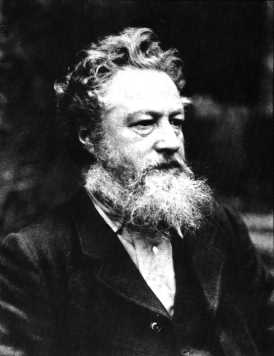
William Morris
"It is indeed in...the belief in the beneficent progress of civilisation, that I venture to face you and to entreat you to strive to enter into the real meaning of the arts, which are surely the expression of reverence for nature, and the crown of nature, the life of man upon the earth." —William Morris

The idea of "reverence for life", famously credited to Albert Schweitzer, reverberates through the twentieth century, inspiring ethicists, philanthropists and environmentalists (Rachel Carson dedicated Silent Spring to Schweitzer). The concept came to Schweitzer as the culmination of a deep personal moral struggle in 1915, and would inform and infuse his great humanitarian career as doctor and pastor over the next 50 years—a career acknowledged in 1952 by a Nobel Peace Prize.
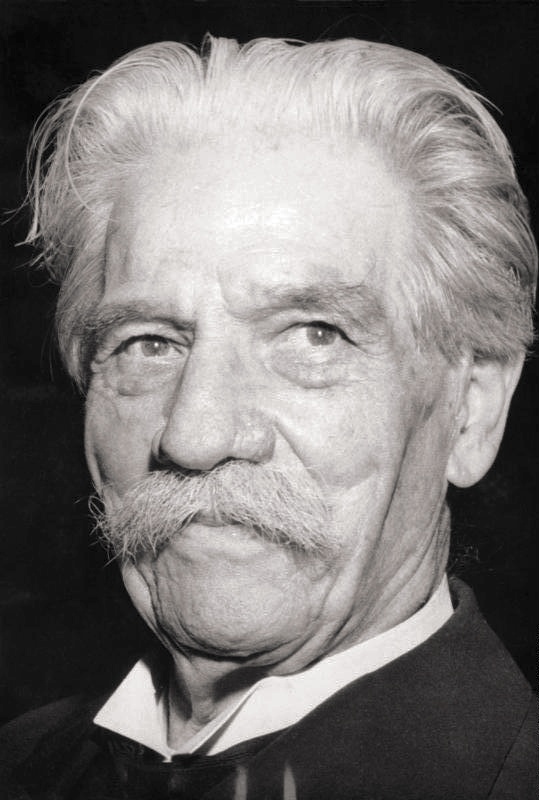
Albert Schweitzer
But it's never been fully appreciated that well before Schweitzer's epiphany—in 1880, when Schweitzer was just 5 years old—William Morris articulated the ideal in the words above (in his lecture "The Prospects Of Architecture In Civilisation").

Monday, March 28, 2011

"Als Ik Kan": Hephaestus's Imperfect Frame

A new entry for the quotes on the page, "Re-framing Art":
"Als Ik Kan"


William Morris "Si Je Puis" tile from Red House

If the Arts and Crafts Movement can be said to have a motto, it is surely "Als Ik Kan." First assumed by William Morris—more famously in its French form, "Si Je Puis"—it was further popularized by Gustav Stickley through the marks on his furniture and in his magazine The Craftsman. What does the motto mean, where did it originate, and why did these re-framers of art find it so significant?

Wednesday, February 9, 2011

"Kevin Courter: From Dusk to Dawn" is posted

The last of Kevin Courter's paintings for his upcoming show, "From Dusk to Dawn," is in, and it's a great example of a theme he's been having a lot of fun with for the last few months. This is called "Evening's Solitude," and it's 8 x 16. The frame, No. 1.4 CV, is one we use often, as it's so versatile, simple and effective.

Hope you'll put the show on your calendar. It opens Saturday, February 26, with a reception for the artist from 4 to 6 in the evening.

Tuesday, February 1, 2011

Reframing Art: "All true art is praise"

The first entry for the quotes on the page, Re-framing Art:

"All true art is praise." 

John Ruskin's statement is among his most quoted and is takes us right to a central motive for why painters paint—a motive that fundamentally shapes our idea of art and its place and role in our lives. Art holds up to us things we admire, love, and find praise-worthy.

Framing J Bond Francisco


Recently framed this John Bond Francisco , designing the setting to echo playfully with the massive green frame at the center of the painting. This little oil, 12" x 8", depicts the artist's San Francisco studio around the turn of the century. The frame profile's a No. 16—a plain flat mitered frame with a chamfered (45 degree bevel) sight edge. Chose a flat profile to go with the relatively shallow depth of field and flat object—the painting—that's the focus of the piece. But the angles and design of the stove suggested the chamfer. A bit wider than I normally would've used on a piece this size, but in keeping with the proportions of the depicted frame on its painting. Going as green as the frame in the painting would have sacrificed the harmony of painting and frame, but rubbed green paint in to the grain of the oak to resonate with the frame in the picture.The liner is oak with gold leaf. All is simple as the room depicted—simple, but fun!

Framing Ludmilla Welch

We've had the privilege of framing more and more historical work, and this past month got to re-frame this sweet oil painting, "Foggy Morning," (10" x 17") by Ludmilla Welch, who with her husband Thaddeus Welch, worked in San Francisco at the turn of the century. It's in a very low slope Century Series 3" wide profile in stained quartersawn white oak.

Monday, January 10, 2011

True Grit: See us on the big screen!

Early last year I got to brag here that we'd gotten a call from the set designers for the Coen Brothers remake of the classic western, True Grit. Well, as you're probably aware, the film is out and doing gangbusters at the box office. If you look closely, you'll see our frames (the oak ones—NOT the gold ones, of course) in the courthouse scenes near the beginning, in which Rooster Cogburn and Mattie Ross first meet up.